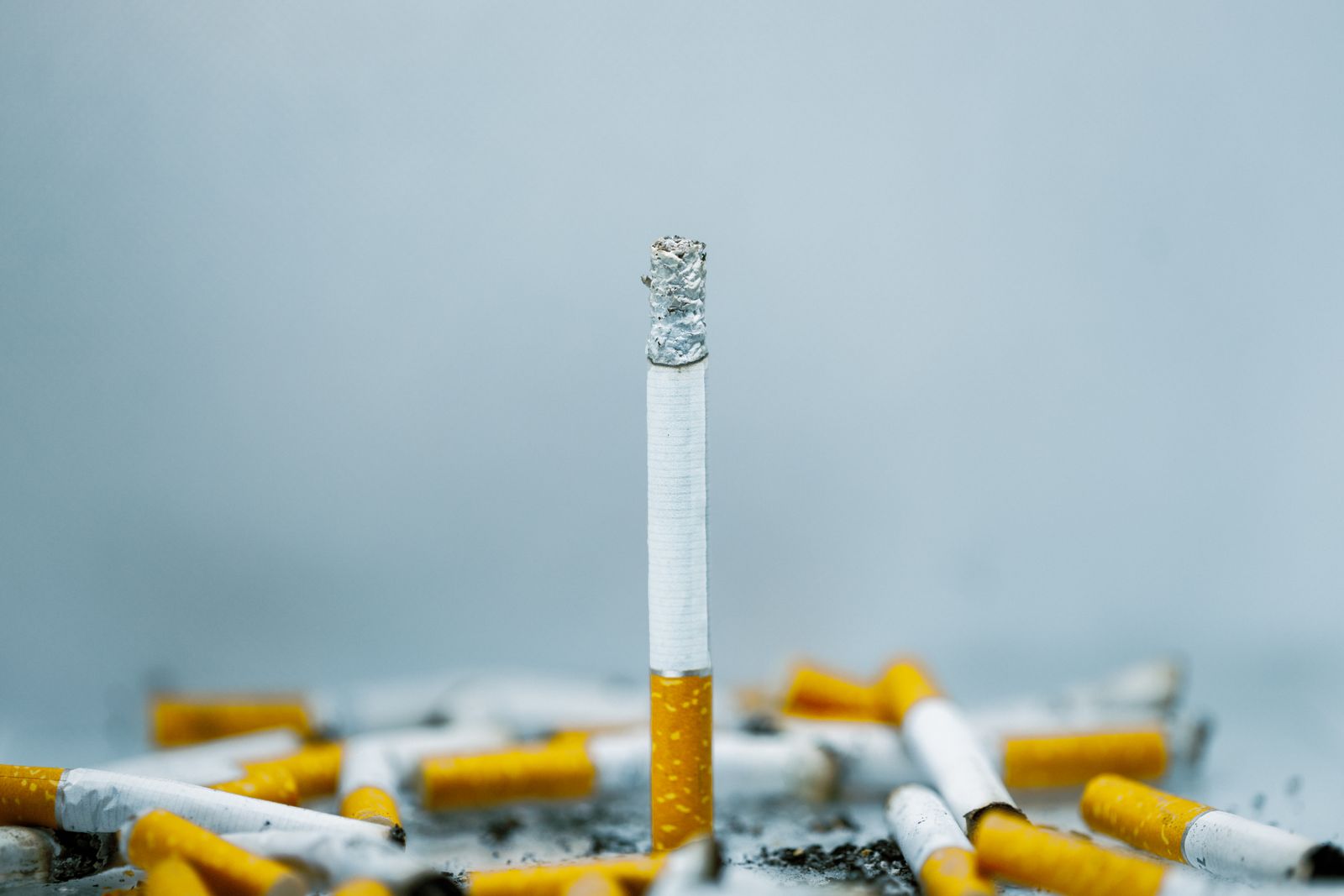
Sweden: the lowest smoking rate in Europe
Sweden has the lowest daily-smoking rate in the European Union — around 5–6% of adults, compared with an EU average closer to 20%. Public-health researchers have long pointed to one distinctive factor behind that gap: snus.
While the rest of Europe reached for cigarettes through the 20th century, many Swedes — particularly men — kept reaching for snus instead. The result is one of the most-studied real-world examples of tobacco harm reduction anywhere in the world.
What "harm reduction" actually means
Quitting nicotine entirely is the healthiest choice, full stop. But for people who can't or won't stop, harm reduction asks a different question: can the harm be lowered?
Cigarettes are dangerous mainly because of combustion. Burning tobacco produces tar, carbon monoxide and thousands of toxic and carcinogenic compounds. Snus is not burned. The nicotine is delivered without smoke, which removes the single most harmful part of the equation.
That is why public-health experts increasingly separate the nicotine — addictive, but not the main driver of smoking's death toll — from the smoke, where the serious disease risk really lives.
How snus helps smokers switch
For many ex-smokers, snus works where other methods stalled, for a few practical reasons:
- It delivers nicotine quickly. Patches and gum are often too slow or too weak to satisfy a heavy smoker's cravings. Snus releases nicotine at a pace closer to what a smoker is used to.
- It keeps the ritual. A discreet pouch under the lip replaces the hand-to-mouth habit and the "moment" a cigarette used to provide.
- It fits everywhere. No smoke, no smell, no stepping outside. That makes it easy to use where smoking is banned — which usually means more of the day spent not smoking.
Long-term Swedish studies have repeatedly found that snus is one of the most common — and most successful — ways Swedish smokers have moved away from cigarettes, frequently outperforming traditional nicotine-replacement therapy.
The evidence, kept honest
Several large reviews of Swedish data link the country's snus use to its strikingly low rates of lung cancer and other smoking-related diseases compared with the rest of Europe.
But snus is not risk-free, and it is important to say so plainly:
- It contains nicotine, which is addictive.
- It is intended for adult smokers looking to move away from cigarettes — not for people who don't use tobacco, and never for anyone under 18.
- "Lower risk than smoking" is not the same as "safe."
The honest summary most researchers land on: for an adult who already smokes, switching completely to snus is very likely a major step down in risk. For someone who uses no nicotine at all, the best choice is to keep it that way.
All-white and tobacco-free options
Modern all-white nicotine pouches take the same idea a step further — delivering nicotine with no tobacco leaf at all, in a clean format that won't stain. For switchers who want the snus experience without traditional brown snus, they have become a popular starting point.
A Swedish habit worth understanding
The "Swedish experience" is not a marketing slogan. It is decades of data showing that when a less harmful alternative is available and accepted, a lot of people use it to leave cigarettes behind. That is the story behind every can on our shelves.
Responsible use: Snus and nicotine pouches contain nicotine, which is addictive. These products are for adults 18+ only. If you don't use tobacco or nicotine, don't start. If you want to stop using nicotine altogether, speak to your doctor or a local stop-smoking service.